About LEAP

The Project

The Longitudinal Expert AI Panel (LEAP) is a three-year project tracking the views of leading computer scientists, industry professionals, policy researchers, and economists on the trajectory of artificial intelligence. LEAP aims to create the most reliable map of the future of AI and its impacts.

Every month, LEAP participants provide thousands of forecasts across recurring and one-shot questions, leveraging the science of judgmental forecasting to provide deep insights amidst rapid technological change. These forecasts form the basis of monthly reports that synthesize expert consensus and disagreement, highlight emerging trends, and track the evolving landscape of AI progress.

This initiative aims to provide decision-makers in government, industry, and civil society with near-term, resolvable forecasts to inform policy, strategy, and risk management in an era of rapid technological change. With an informed view of short-term forecasting accuracy, LEAP can provide clarity to the debate on the long-run impacts of artificial intelligence.

LEAP Reports

Explore the monthly wave reports, built from expert forecasts, charting shifting expectations and the contours of the AI debate.

Browse the latest reports

Our Team

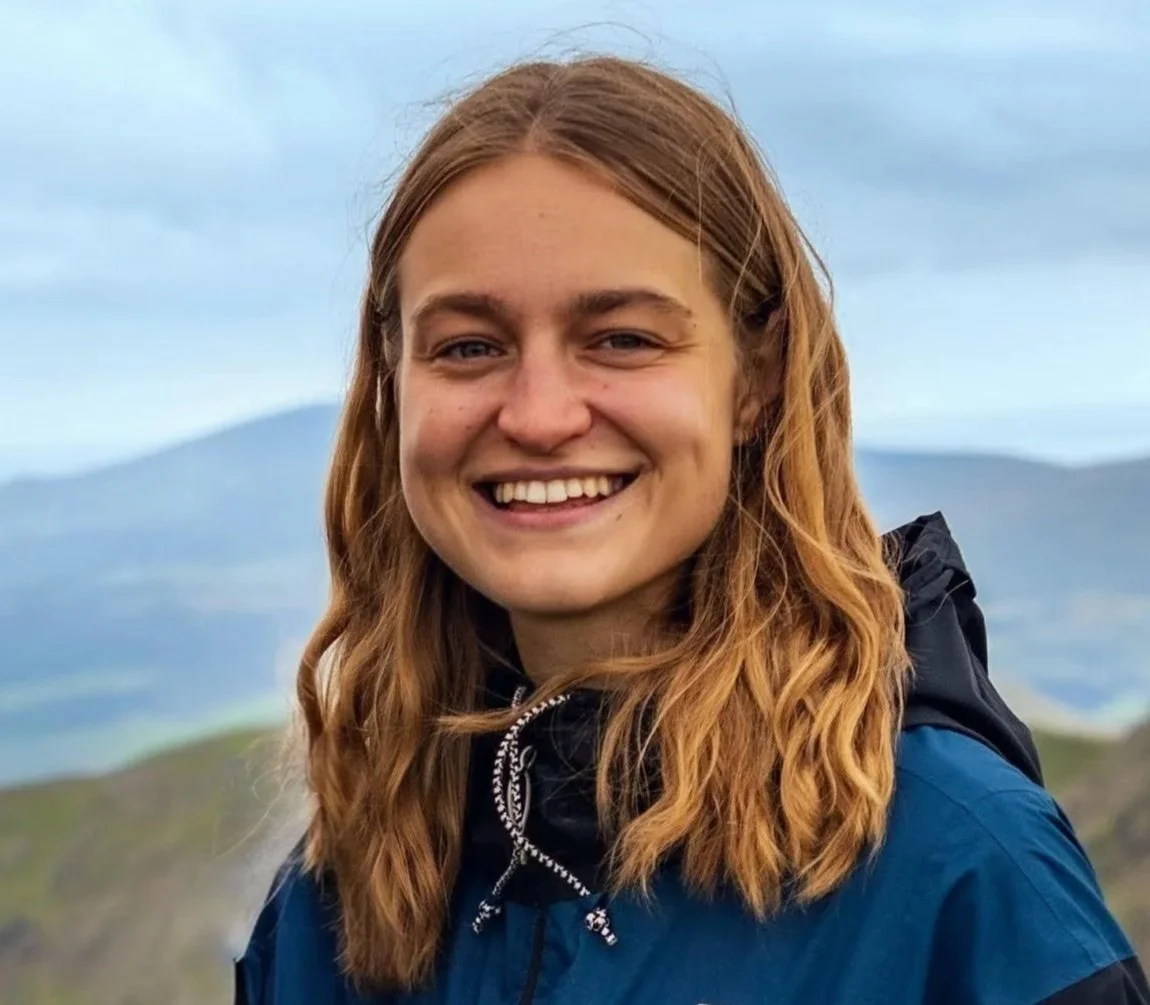
Ezra Karger photo

Ezra Karger

Principal Investigator

Ezra is a senior economist in the research group at the Federal Reserve Bank of Chicago, where he constructs high-frequency indices that track policy-relevant economic indicators and develops methods for forecasting long-run, low-probability, and unresolvable questions. Ezra co-founded and is the Director of Research at the Forecasting Research Institute. He was previously an accurate research subject in IARPA’s ACE, HFC, and FOCUS forecasting tournaments.
Website
Tatsunori Hashimoto photo

Tatsunori Hashimoto

Principal Investigator
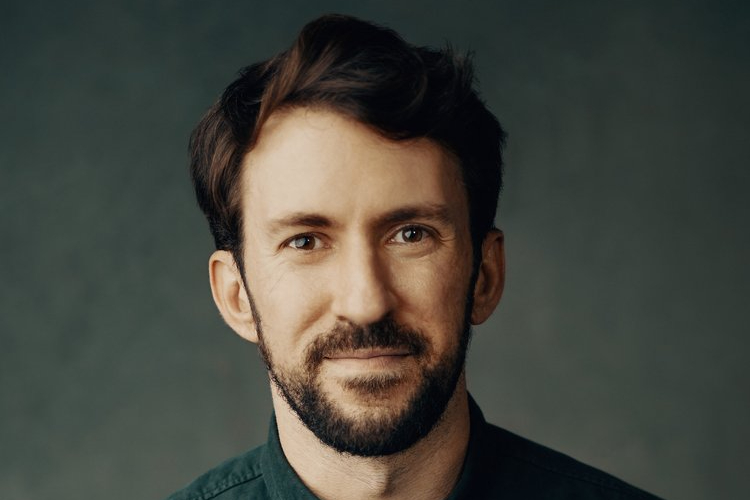
Tatsunori is currently an assistant professor of computer science at Stanford University. His research uses tools from statistics to make machine learning systems more robust and trustworthy — especially in complex systems such as large language models. The goal of his research is to use robustness and worst-case performance as a lens to understand and make progress on several fundamental challenges in machine learning and natural language processing.
Website
Josh Rosenberg photo

Josh Rosenberg

Executive Director

Josh oversees a variety of research, strategy, fundraising, and operations work at FRI, and he is particularly focused on making forecasting more useful to decision-makers. Previously, he was a Senior Advisor and Senior Research Manager at GiveWell, where he spent several years working in management, research, grantmaking, and hiring.
Website
Connacher Murphy photo

Connacher Murphy

Research Manager

Connacher is a research manager with a background in economics. Prior to FRI, he was an Economics PhD student at UChicago and contributed to poverty measurement research. He previously worked as a management consultant. He is interested in understanding the social and economic impacts of AI.
Website
Jordan Canedy photo

Jordan Canedy

Senior Researcher

Jordan is a researcher with a background in computational mathematics and product management. He is interested in applying rigorous scientific methods to improve decision-making for high-stakes, societally impactful issues.
Website
Matt Reynolds photo

Matt Reynolds

Director of Communications
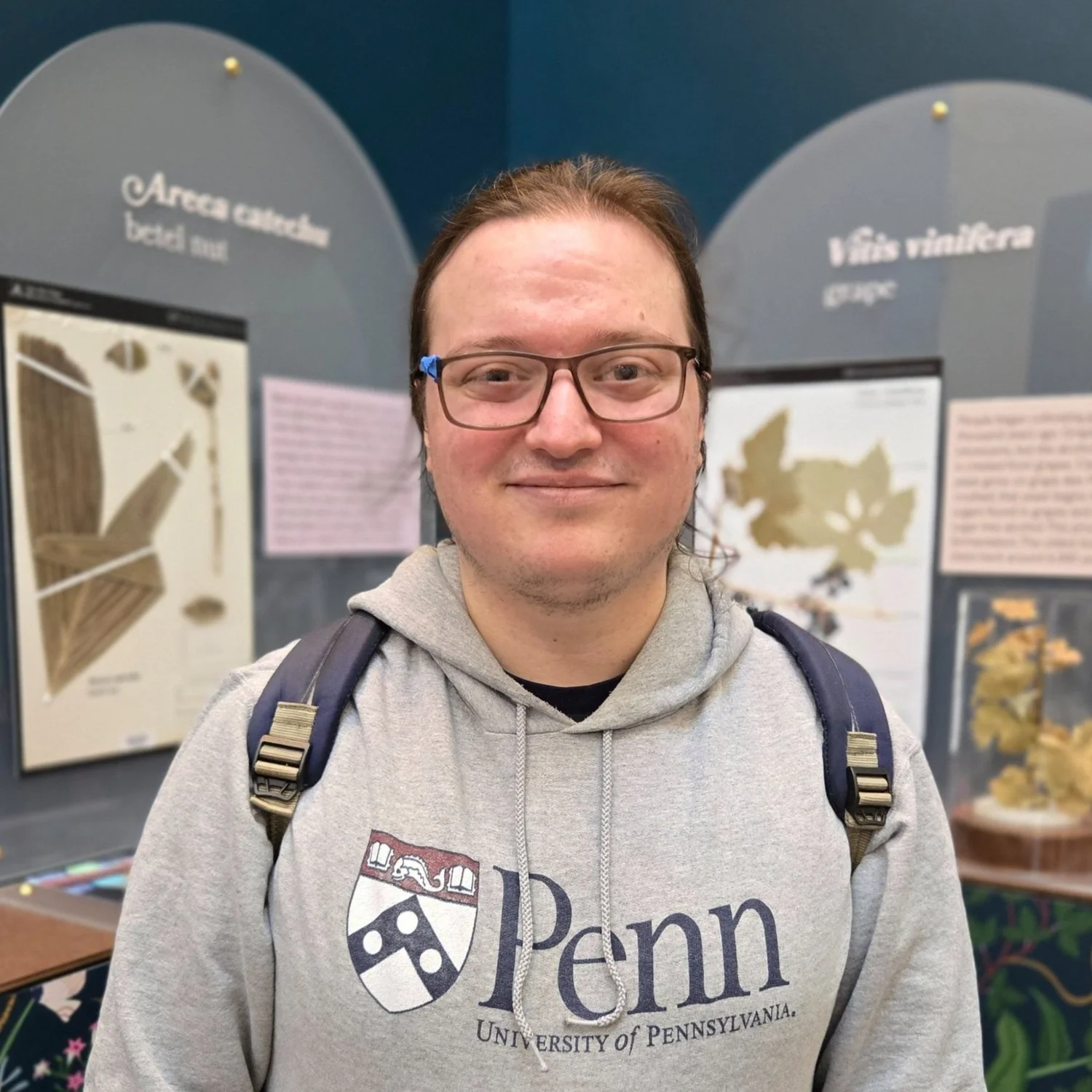
Matt works on increasing the impact and visibility of FRI's work, helping it reach the media, decision-makers, and future partners. Before joining FRI, he was a senior writer at WIRED and a technology reporter at New Scientist.
Website
Zach Jacobs photo

Zach Jacobs

Data Analyst

Zach is a data analyst who, since 2019, has been working with Professor Tetlock and others at the University of Pennsylvania on various forecasting research projects.
Website
Nadja Flechner photo

Nadja Flechner

Data Analyst

Nadja is a data analyst with a background in AI research. Before joining FRI, she worked on weather forecasting, climate modelling and technical AI research. At FRI, she primarily researches and develops AI tools to assist research tasks.
Website
Rhiannon Britt photo

Rhiannon Britt

Data Analyst

Rhiannon is a data analyst with a statistics background. She began her career conducting impact evaluations for small UK charities, helping them understand and quantify their effectiveness. After some time in the UK civil service, forecasting the impact of transport and safety interventions, she is now most interested in translating data-driven insights into actionable strategy.
Website
Charlie Rogers-Smith photo

Charlie Rogers-Smith

Chief of Staff

Charlie works on FRI's strategy and execution. He previously co-founded Palisade Research to inform policymakers about risks from AI. And before that, he got a master's in statistics at Oxford and developed Bayesian ML models to estimate the effectiveness of interventions against COVID.
Website

We greatly appreciate the assistance and input of Alexa Pan (Emeritus), Amory Bennett, Cathy Buffington, Christina Aguila, Dan Mayland, David Mathers, Morgane Bascle, Tim Francis, and Victoria Schmidt throughout the project.

Research Partners
Forecasting Research Institute Logo

Forecasting Research Institute

Forecasting Research Institute (FRI) develops forecasting methods to improve decision-making on high-stakes issues. First-generation forecasting research—spearheaded by FRI Chief Scientist Philip Tetlock and coauthors—focused on establishing a rigorous standard for prediction accuracy. The next generation of work aims to channel this approach into real-world relevance by applying the latest forecasting methods to topics such as AI progress, pandemics, and nuclear risk.

The FRI team conceptualized and designed the Longitudinal Expert AI Panel (LEAP) and is responsible for the day-to-day running of the project.
Princeton Laboratory for Artificial Intelligence Logo

Princeton AI Lab

The Princeton Laboratory for Artificial Intelligence (PLAI) is an initiative designed to support and expand the scope of AI research at Princeton. The AI Lab focuses on areas where rapid advances in AI can yield disproportionate academic impact, complementing Princeton’s broad intellectual strengths.

PLAI helps with the recruitment of experts to LEAP and the distribution of results.

Funders

LEAP is supported by grants from Coefficient Giving and Craig Falls.

FRI’s funders exercise no editorial control or influence over our research methodology, findings, or conclusions.